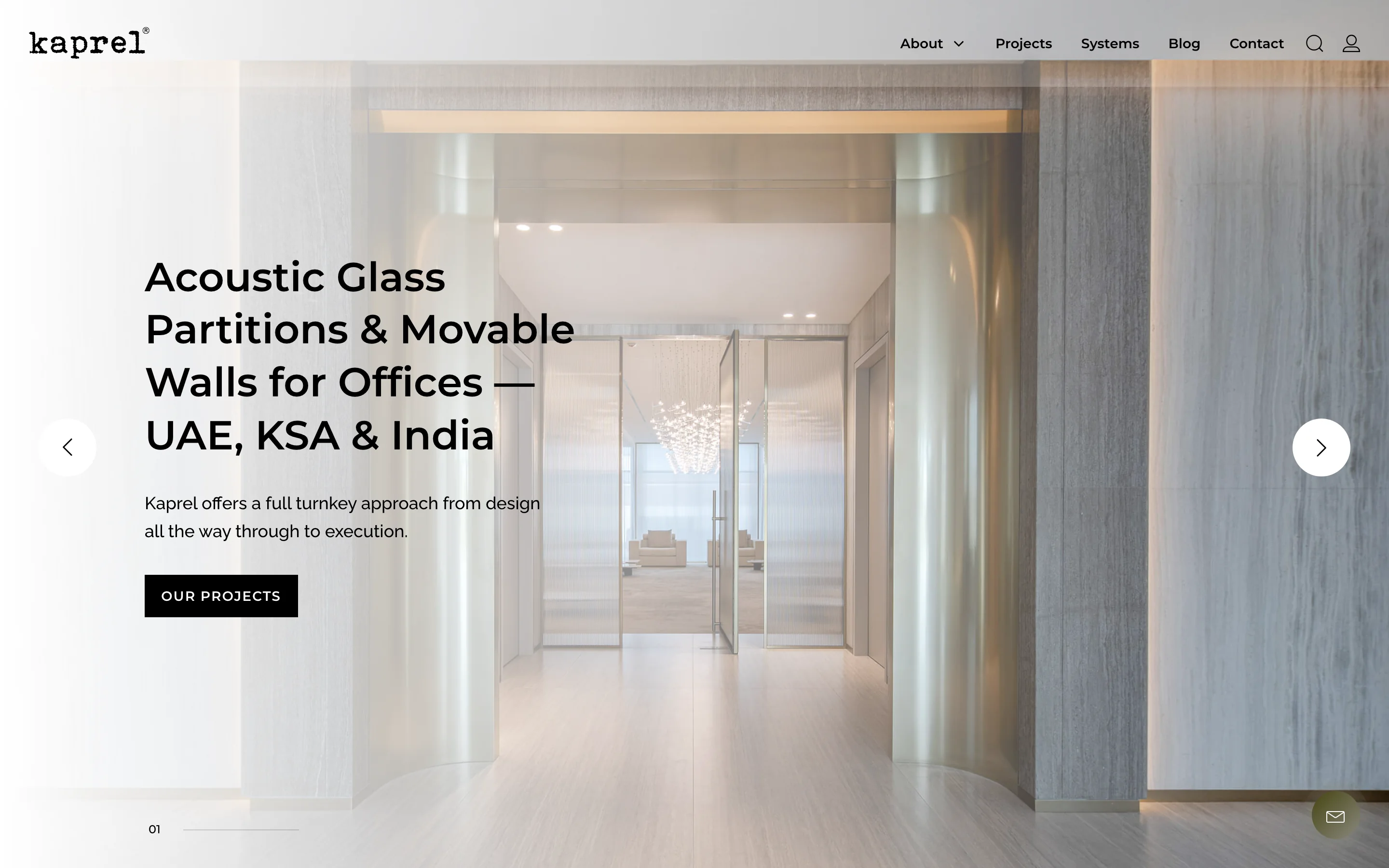
What they sell, and how it is bought.
Kaprel makes acoustic glass partitions and movable walls for offices, across the UAE, Saudi Arabia and India. A specifier looks at a system, then at the offices it has been installed in, then enquires.
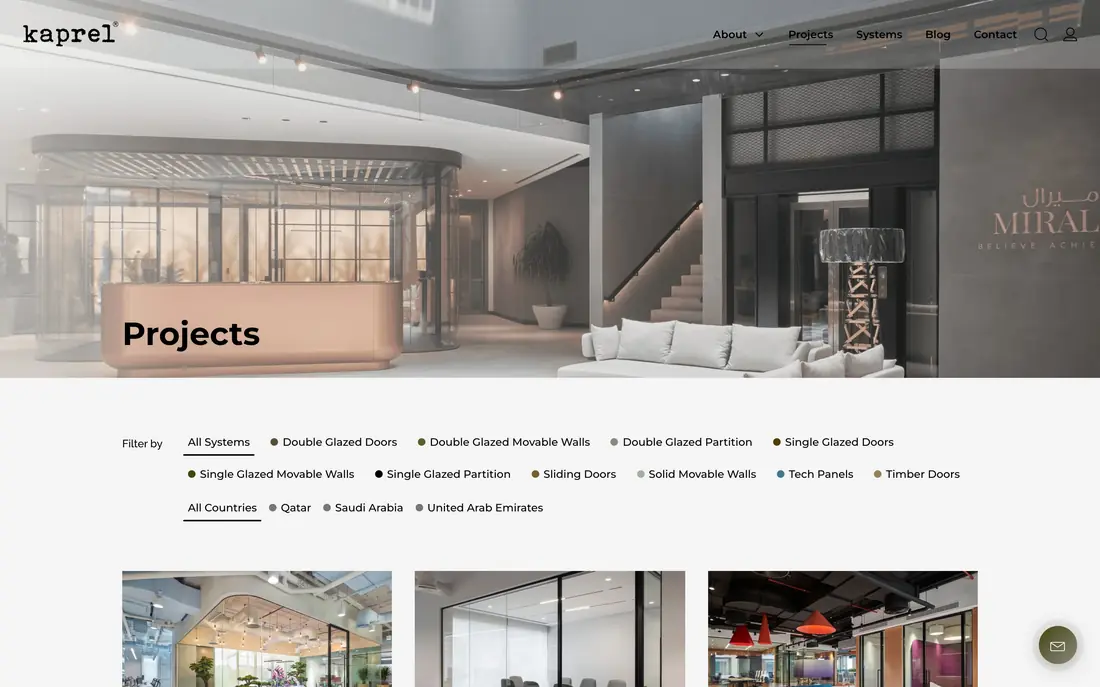
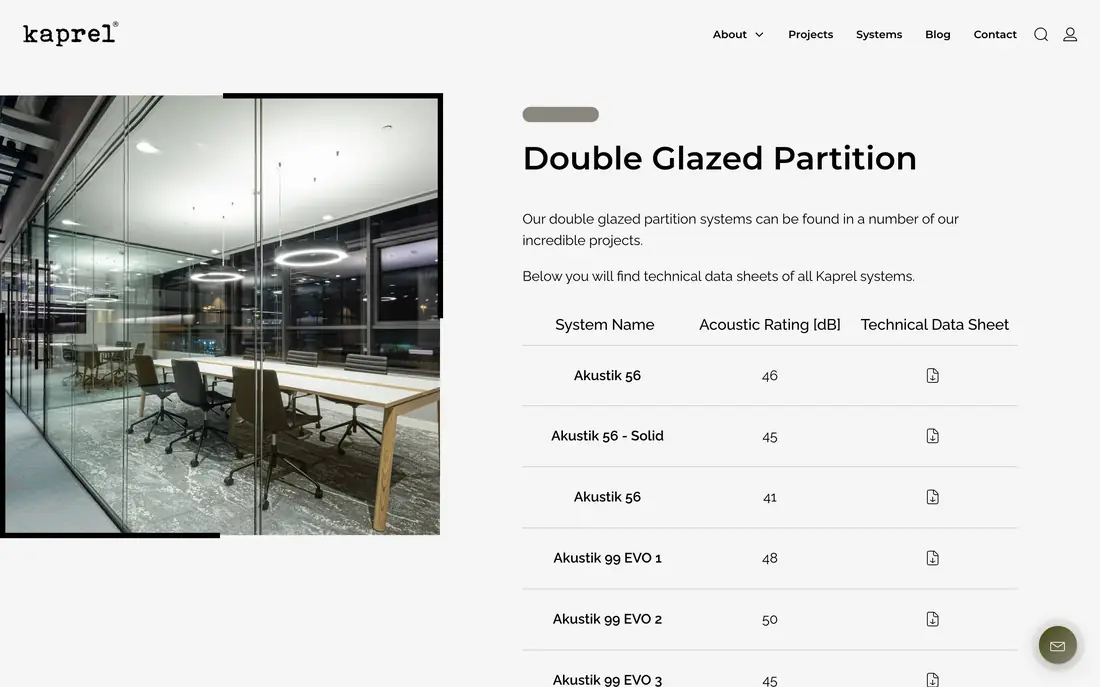
The catalogue and the projects portfolio carry that. They are not illustration around the copy.
We did not build the original site. It was inherited, and everything on it was present and correct.
Why it was slow.
Roughly ten seconds to usable. Large photographs, served at full size to every device, with no delivery strategy underneath them.
Every performance tool fixes this the same way: fewer images, smaller images, or later images.
What we didn’t do.
Compress harder, show fewer products per view. Available on day one, and it would have moved the number.
The photography carries the specification here — how a frame meets a floor, how slim a sightline is in daylight. Degrading it would have improved the score and weakened the catalogue.
So the constraint we worked to was: every image stays at the quality supplied. That ruled out most of the quick wins.
What we changed.
The work sits in the delivery path: what the browser fetches, in what order, at what size for the screen asking. The source assets on the finished site are the same files that were on the slow one.
Result.
Same page, same measurement method at both ends. The conditions are listed at the top.
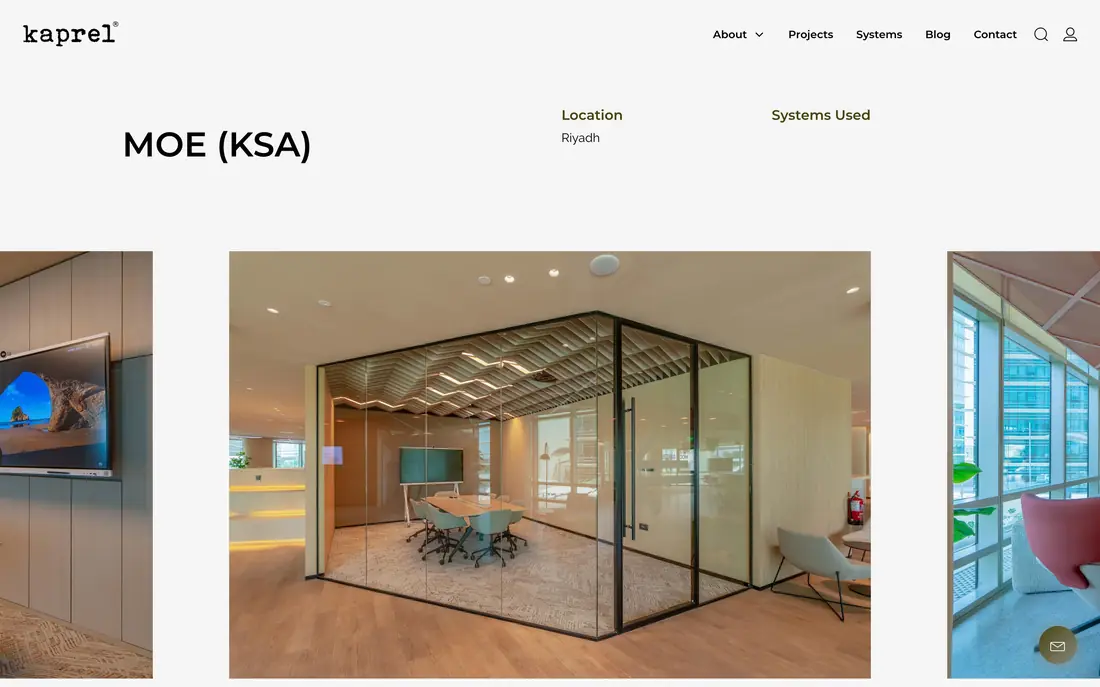
The catalogue and the projects portfolio both kept their full image sets at full quality. Nothing was moved behind a click to make the first screen look better.
The catalogue and the projects portfolio kept their full image sets at full quality.